Does Natural Stone Fade?

A practical guide to marble, granite, and long-term color performance
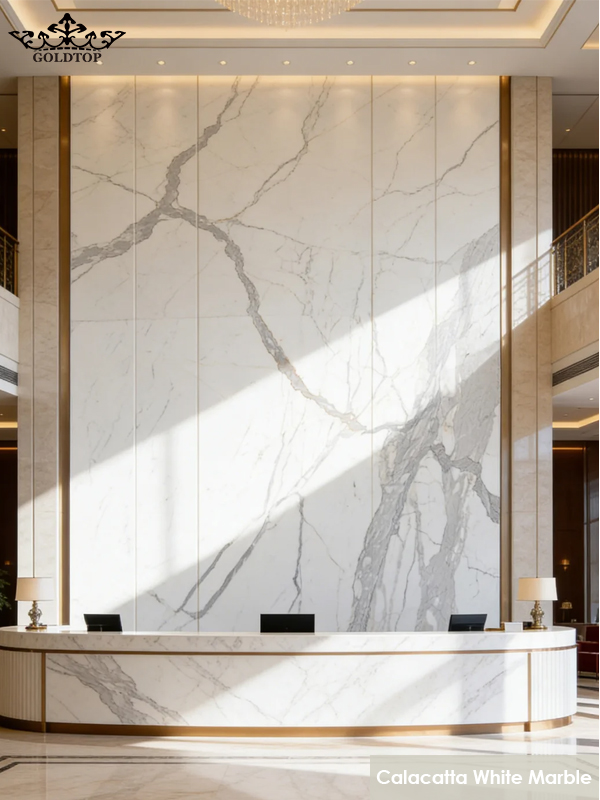
 

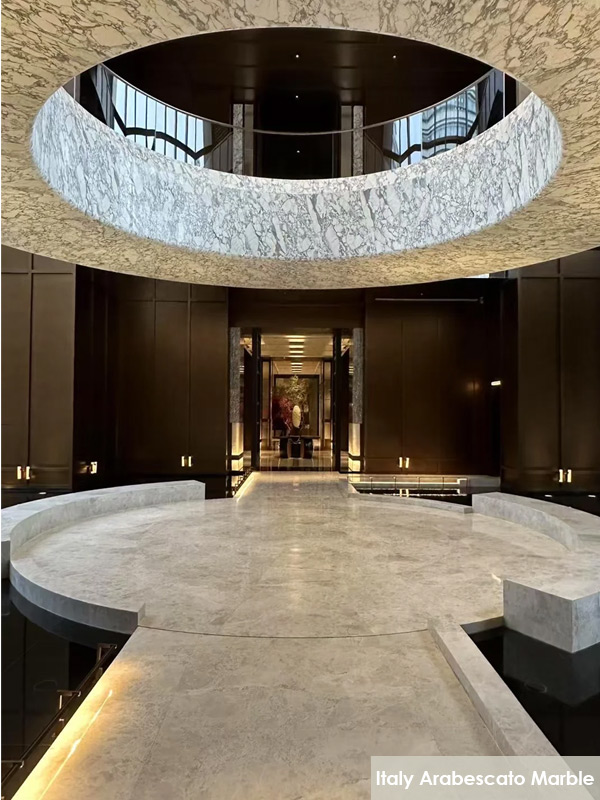
marble hotel lobbymarble hotel lobby


Natural stone is widely valued for its timeless beauty, but one question often comes up in both residential and commercial projects: does natural stone fade over time?

The short answer is: yes—but not all stone behaves the same, and the reasons are more complex than simple “fading.” Understanding the science behind stone composition helps explain what really happens.


Why Natural Stone Can Change Color

Natural stone is not chemically inert. Its appearance can evolve due to environmental exposure, mineral composition, and chemical reactions.

1. Marble: More Reactive, More Vulnerable
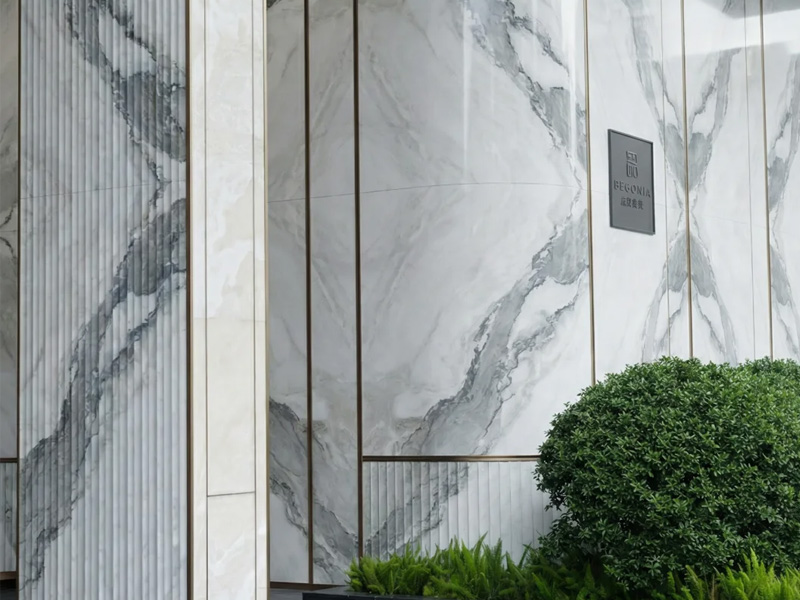
 

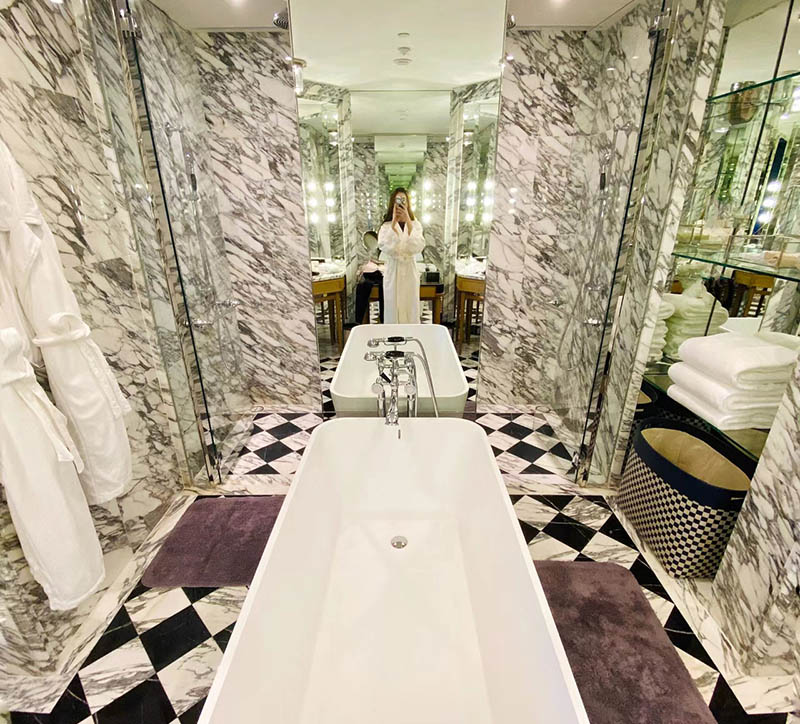
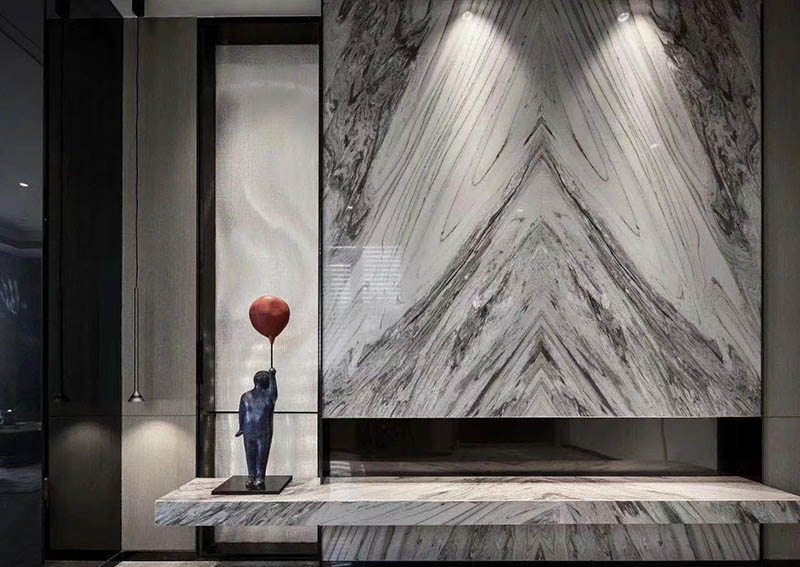
fendi white marble wall


Marble is primarily composed of calcite (CaCO₃) and sometimes dolomite (CaMg(CO₃)₂). These minerals contain carbonate ions, which are relatively reactive. When exposed to air and moisture, especially in outdoor environments, marble can undergo:

Reaction with sulfur dioxide (SO₂) in the atmosphere

→ forming gypsum (CaSO₄·2H₂O), which appears as a dull, cloudy layer on the surface

Interaction with water

→ forming calcium bicarbonate (Ca(HCO₃)₂), which can dissolve and later recrystallize

These processes lead to:

Surface dulling→ Loss of polishGradual lightening or uneven discoloration

This is why marble is generally not recommended for exterior applications. In many cases, marble used on façades may show noticeable fading or weathering within 2–3 years.


2. Granite: More Stable, But Not Immune
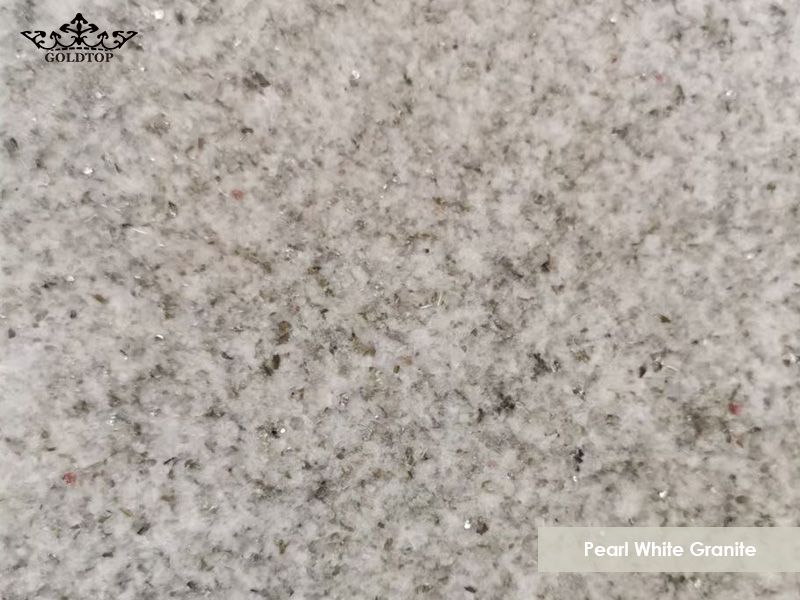
 

pearl white granite


Compared to marble, granite is significantly more stable.

Granite is an igneous rock composed mainly of:

◆ Feldspar  Quartz  Mica  Amphibole or pyroxene

These are silicate minerals, built on a strong silicon-oxygen tetrahedral structure, which gives granite:

★ High chemical stability

★ Strong resistance to acids

★ Excellent weather resistance

Because of this, granite is often described as “non-fading” in practical terms.

However, that’s not entirely absolute.


3. Long-Term Changes Still Happen
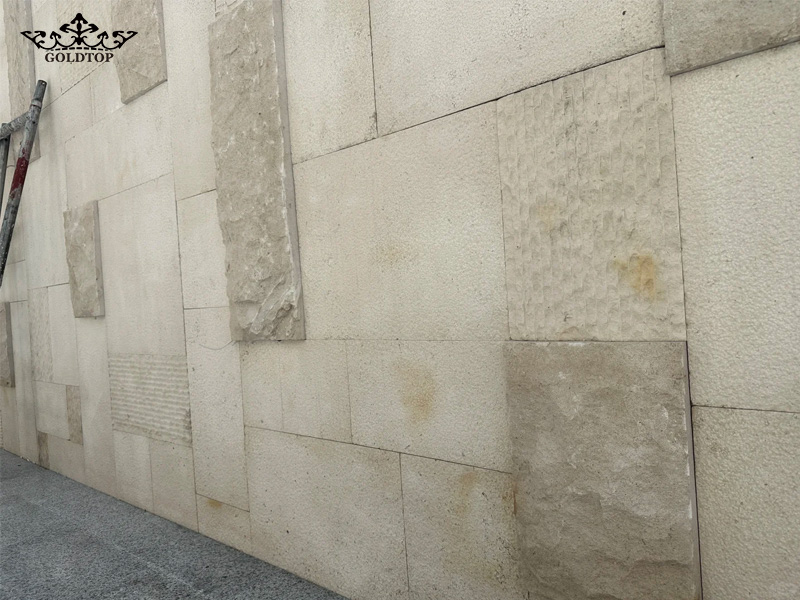
 

natural material is completely immune to change


No natural material is completely immune to change—not even granite.

Over very long periods, stone can undergo:

◆ Weathering   Hydrothermal alteration   Mineral transformation

For example:

● Feldspar and mica can transform into kaolinite (clay minerals) or limonite

● Pyroxene may alter into epidote or chlorite

● Olivine can become serpentine or magnesite

These transformations can eventually affect color and texture.

That said:

These changes occur over extremely long geological timescales—often far beyond the lifespan of buildings or human observation.


So, Does Natural Stone Fade?

Here’s a practical summary:

Material Fading Risk Main Cause Typical Timeline
Marble High Chemical reaction & weathering 2–3 years (outdoor visible change)
Granite Low Very slow mineral alteration Decades to centuries


Key Factors That Influence Fading

Regardless of stone type, several external factors accelerate visible changes:

● UV exposure (sunlight)

● Air pollution (SO₂, acid rain)

● Moisture and humidity

● Surface finish (polished vs honed)

● Maintenance and sealing

Proper sealing and maintenance can significantly slow down visible fading.


How to Minimize Fading
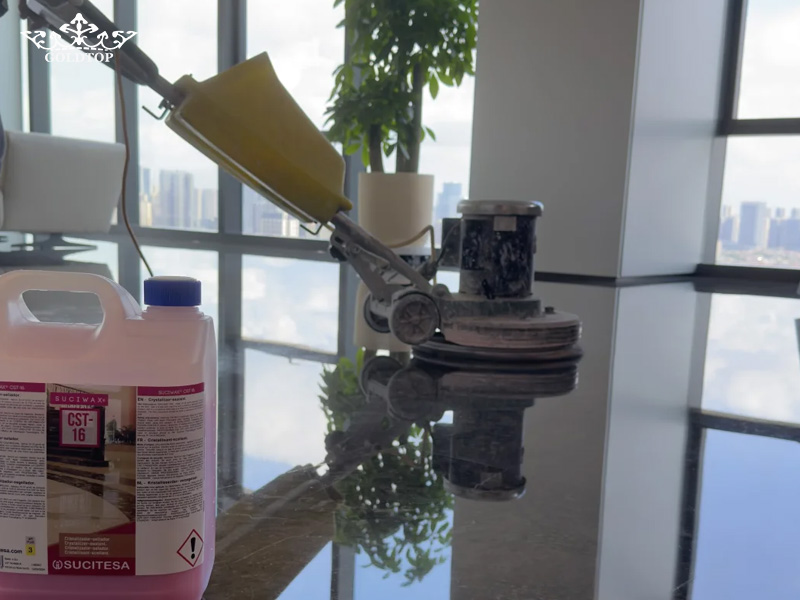
 

natural stone How to Minimize Fading


To preserve the original appearance of natural stone:

● Use marble indoors, especially for countertops, walls, and vanities

● Choose granite or quartz for exterior applications

● Apply a high-quality stone sealer

● Perform regular cleaning and maintenance

● Avoid prolonged exposure to harsh chemicals or acidic environments


FAQ

How long will marble last?

Marble can last decades or even centuries when properly maintained, especially in indoor environments. However, its surface appearance may change over time if exposed to moisture, acids, or outdoor conditions.

Does marble fade over time?

Yes. Marble can lose its polish and appear lighter or duller, especially when exposed to air pollutants, moisture, and outdoor weathering.

How often should I reseal a natural stone?

Typically, natural stone should be resealed every 6–12 months, depending on usage, exposure, and stone type. High-traffic or wet areas may require more frequent sealing.

Does marble fade in sunlight?

Yes. Prolonged exposure to UV rays and heat can accelerate surface degradation, leading to fading or discoloration—especially in outdoor or sun-exposed areas.


If you're selecting materials for a project and want long-term color stability, choosing the right stone—and using it in the right environment—is just as important as the design itself.

Explore our natural stone product range and real project case studies to see how different materials perform in actual applications. Whether you're working on residential, hospitality, or multi-family developments, our team can help you choose the most suitable solution.

Contact us today for material recommendations, free samples, and project support.


When it comes to designing a kitchen that feels both stylish and enduring, few materials have the staying power of marble. Trends come and go—open shelving, bold cabinet colors, industrial finishes—but marble always manages to hold its ground. Walk into a modern condo in New York or a centuries-old villa in Tuscany, and chances are you’ll find marble taking center stage in the kitchen. Its natural beauty, cool touch, and unique veining make it a favorite for homeowners and designers alike. But beyond looks, marble carries a certain timelessness that’s hard to replicate. Let’s dive into why marble continues to captivate and how it can be incorporated into today’s kitchens.

Marble Kitchen


A Rich History of Elegance

Marble isn’t a new kid on the block. Its story is one of the oldest in human design. Think of the ancient Greeks and Romans—the masters of architecture and sculpture who used marble to build some of the world's most iconic structures, like the Parthenon and the Colosseum. They knew marble wasn't just a building material; it was a symbol of power, wealth, and timeless beauty.

Fast forward to the Renaissance, and artists like Michelangelo used it to create masterpieces that still captivate us today. The cool, smooth surface of marble and its unique veining made it perfect for capturing the human form with a sense of lifelike grace.

This rich history is part of what gives a marble kitchen its gravitas. When you install a marble countertop or a backsplash, you're not just buying a slab of stone; you're bringing a piece of this legacy into your home. It’s a connection to centuries of art and design, a material that has been celebrated by cultures across the globe. This kind of deep, historical significance is something that a manufactured surface just can't replicate, and it's a huge reason why marble's appeal is truly timeless.

Marble Kitchen Countertops


Aesthetic Versatility 

One of marble’s biggest strengths is its ability to adapt to different styles. Whether your kitchen leans modern, traditional, rustic, or somewhere in between, marble fits right in.

Want a sleek, minimalist vibe? Go for honed white marble with subtle veining.

Prefer something bold and dramatic? Black marble with gold veins can make a stunning impact.

Love the farmhouse look? Pair Carrara marble with warm wood tones and vintage fixtures.

Marble’s natural patterns and color variations mean no two slabs are exactly alike. That uniqueness adds character and depth to your space, making it feel curated rather than cookie-cutter.

Gray marble slab


The Application of Marble in the Kitchen

Countertops

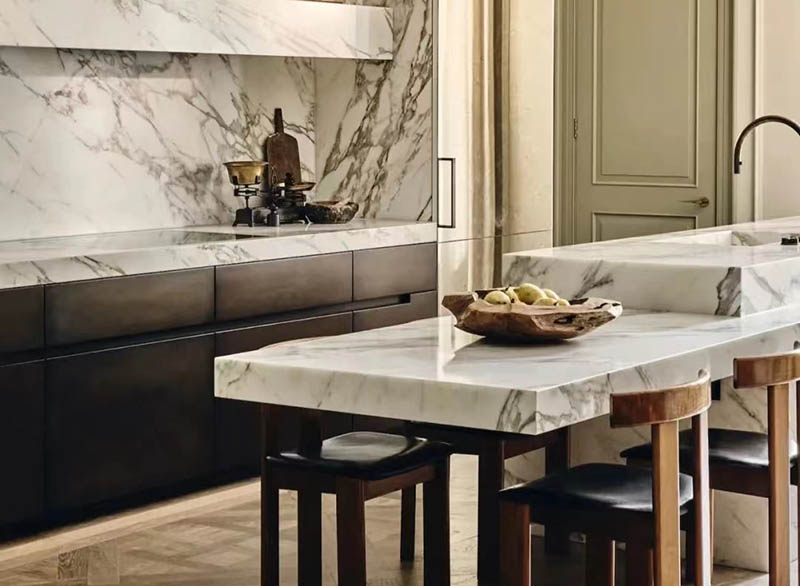
Countertops are the most common and iconic way to showcase marble. A marble countertop immediately becomes the focal point of the kitchen. The surface is smooth, cool, and ideal for baking—pastry chefs especially love it for rolling dough. While marble is softer than granite and can show wear over time, many people see that natural patina as part of its charm. Rather than fearing scratches or etches, they embrace them as signs of a well-loved kitchen.

Backsplashes

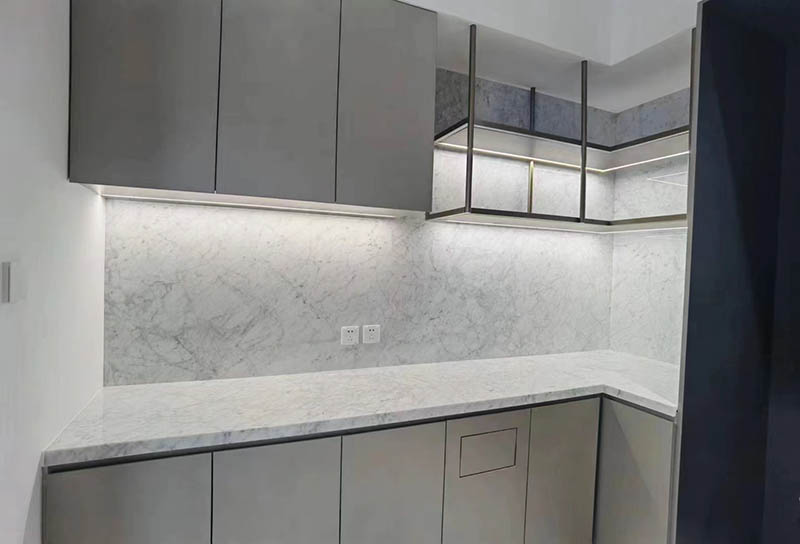
Marble backsplashes are a great way to add elegance without going all-in on countertops. You can opt for a full slab for a seamless look or use marble tiles in fun patterns like herringbone or chevron. Either way, it’s a surefire way to elevate your kitchen’s design.

Plus, marble backsplashes pair beautifully with brass fixtures, matte black hardware, or even colorful cabinetry. It’s like the little black dress of kitchen design—goes with everything.

 Flooring

Marble flooring in the kitchen may feel extravagant, but it creates a truly luxurious experience. Its reflective quality makes kitchens appear larger and brighter. Polished marble floors can feel formal and glamorous, while honed finishes create a more casual, understated elegance. While it does require some care—marble can be more porous than other stones—it’s undeniably striking.

Kitchen Islands

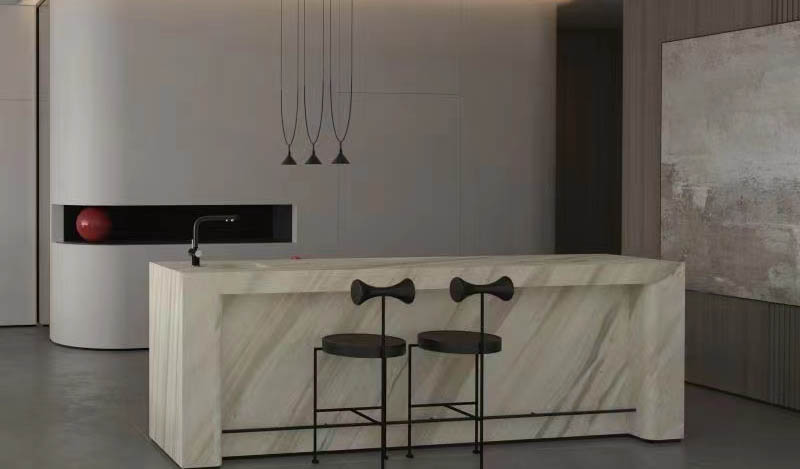
A marble-topped kitchen island is a showstopper. It turns a functional workspace into a focal point. Because islands are often a central gathering spot, a marble surface makes a statement about the heart of your home. You can use a waterfall edge—where the marble slab flows vertically down the sides of the island—to create an even more dramatic and modern look.

Wall Cladding & Accents

For those who want to go beyond traditional applications, marble wall cladding is an impressive choice. A full marble wall behind the stove or sink adds architectural drama and makes the kitchen feel custom-designed. Smaller accents, like marble shelving or trim, can also introduce the material without overwhelming the space. These touches work especially well in modern kitchens that aim for sleek, cohesive lines.

Dining Tables & Furniture

Why stop at the kitchen itself? Marble dining tables, sideboards, and even bar stools can tie the whole look together. A round marble table is perfect for cozy breakfasts, while a long rectangular one makes a statement in a formal dining area.

- tags:

  Marble is one of the most recognizable stones for homeowners. If you have previously purchased Marble then you know how elegant and beautiful it is. That leaves us with the question: What areas are best for marble countertops?


  Master Bathrooms

  Marble is an ideal stone for a master bathroom because it doesn’t see as much traffic as a family bathroom does. A marble vanity will compliment the elegant style of your bathroom.

  Trending: In 2018, we are seeing homeowners moving away from modern bathrooms with spa-like bathrooms taking over.


  Kitchen Countertops

  Marble is a cost effective and heat-resistant which makes it a great choice for kitchens. It’s resistance to heat allows it to be installed around stoves and ovens.

  Trending: Homeowners are moving away from grand kitchens and using bold, vibrant color schemes in their kitchens.


  Bar tops

  If you have a bar in your home, adding marble can bring it to life. It can be a great conversation piece and will bring timeless beauty to your bar. This new addition to your home will have your friends wanting to stay in instead of going out.


  Accent Wall

  Adding Marble as an accent piece can bring liveliness to whatever room you put it in. You can add pictures to reflect your personality or you can keep it simplistic and modern.


  Backsplash

  The main point of a backsplash us to create a visual effect for the eyes. It’s also stain-resistant just in case there is any splashback from cooking.

  Trending: Homeowners are moving away from matching their natural stone to mix-matching their backsplash and countertops.


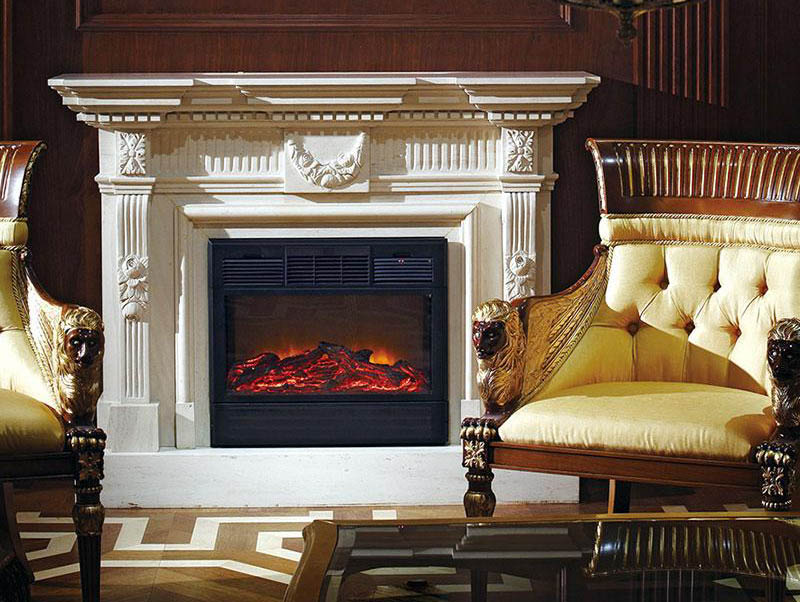
  Fireplace Surround

  Marble is a visually appealing stone which makes it a great choice for your fireplace since its the focal point of your living room.


keyboard_arrow_up